
eSIM vs Physical SIM: What’s the Difference?
A few years ago, choosing a mobile number was as simple as picking a plan. Today, the decision has become more technical. Users need to choose between using a physical SIM card, as we have for many years, or switching to eSIM, a fully digital technology that works in a different way.
This decision is not just about the format of the SIM card. It affects how you activate your number, how you change mobile providers, how your phone behaves when you travel, and how you manage your number if your device is lost or replaced.
Many people who are buying a new phone today, especially the latest models from Apple, Samsung, or Google, are facing this question for the first time. Often, they are unsure which option makes more sense. In our region, the situation is even more complicated because support for eSIM can vary between mobile operators.
This article is not only a technical comparison. Its goal is to help you understand how each option affects everyday use, what benefits and limitations to expect, and how to make a smart decision that avoids unnecessary issues.
What Is a Physical SIM and What Is an eSIM
To understand the difference between these two technologies, we first need to know exactly what each one is and how they work.
Physical SIM – the version we all know
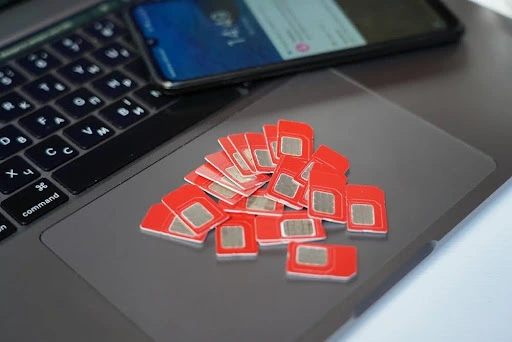
SIM cards have been part of mobile phones since the early days of mobile communication. They are small plastic cards that contain a chip which allows your device to connect to the mobile network. This chip stores key information such as your phone number, internet settings, and your identity on the network.
Using a physical SIM is simple and familiar. You insert the card into your phone and it starts working immediately. If you change devices, you can move the SIM card to the new one. If you change operators, you usually receive a new card to replace the old one.
Still, this traditional method has its limitations. If the card is damaged, lost, or left behind, you will be without service until you get a replacement. In other cases, if you have two numbers, one for work and one personal, managing both becomes more complicated. You may need a phone with two SIM slots or end up carrying two devices at the same time.
eSIM: a newer technology with a different approach
An eSIM is the modern version of a SIM card. The name stands for "embedded SIM," meaning it is built into the device itself. It is not a physical card and does not need to be inserted or removed. Instead, it is activated digitally through your phone’s settings or using your mobile provider’s app.
On phones that support eSIM, getting connected is simple. You scan a QR code or follow a few quick steps in the app to activate your number. There is no need to handle plastic cards or open up your phone. The entire process takes just a few minutes and requires no physical effort.
Beyond the convenience, eSIM also brings new features. Many modern devices allow you to store multiple numbers on the same phone, so you can switch between them as needed. Usually, only one or two can be active at the same time, but this is still a big advantage. It is especially useful for people who travel often or for professionals who need to manage both work and personal numbers on one device.
How Does This Choice Affect Everyday Use
Once you understand the technology behind each option, the real question becomes this — how does the choice between a physical SIM and an eSIM affect your daily experience?
Activation and switching to a different operator
If you are using a physical SIM, switching from one mobile operator to another usually means going to a store, waiting for a new SIM card, inserting it into your phone, and then waiting for activation. This can take time, especially if you are not near a service center.
With an eSIM, everything can be done directly from your phone. If the mobile operator provides the right support, all you need to do is scan a code and your new line is activated instantly. This is especially useful in urgent situations, such as when you are abroad and need to get online right away.
That said, this convenience depends heavily on how prepared the operator is. In many cases in our region, users have still had to go to a store even for eSIM setup because the staff did not have the right knowledge to handle activation or transfers properly.
Changing devices
If you change your phone and are using a physical SIM card, the process is simple. You just remove the SIM from the old device and insert it into the new one. It works immediately, with no delays.
With an eSIM, things are a bit different. You need to request a transfer of your eSIM profile from your operator, or use the same account on your new phone to restore your number. If that does not work, you could be left without service.
For many users, this is a serious concern. People who buy new devices do not always have technical knowledge, and it can be frustrating when they are unable to move their number on their own.
Using SIMs while traveling
For people who travel often, the choice between an eSIM and a physical SIM directly affects both cost and convenience.
One of the biggest advantages of eSIM is during international trips. Instead of buying a foreign SIM card and dealing with setup issues, you can simply download a travel eSIM that gives you internet access without roaming fees. This is much more convenient and can be done before you leave or as soon as you arrive at your destination.
However, users who are not very familiar with the technology may run into difficulties. In many cases, activating a travel eSIM will deactivate the main number, which means you may no longer receive important text messages, such as banking codes, social media verifications, or other critical notifications.
When Should You Use a Physical SIM and When an eSIM
Now that we have looked at how the two options work in practice, it is important to understand when it makes sense to choose one over the other, depending on your needs.
If you have a newer phone, travel frequently, or want the ability to switch operators without complications, an eSIM can be an excellent choice. It gives you more flexibility, lets you activate numbers without visiting a store, and removes the need for plastic cards.
On the other hand, if you are not comfortable with new technology, if your mobile operator does not offer strong eSIM support, or if your phone does not support eSIM at all, sticking with a physical SIM is the better option. It is reliable, simple to manage, and familiar for most users.
Final Thoughts
The decision between eSIM and a physical SIM is no longer just about technology. It directly affects your everyday mobile experience. The most important thing is to make this choice consciously, not simply because it feels like the newest option, but because it fits your usage habits, your device, and the level of support you can expect from your mobile operator.