

Best Time to Visit Japan: Weather, Crowds and Costs by Month
The best time to visit Japan for general sightseeing is spring or autumn. For a first trip combining Tokyo, Kyoto and Osaka, we recommend May after Golden Week or November. Cherry blossoms, winter sports and Okinawa beach trips follow different calendars, so choose your main experience before booking your dates.
Japan at a glance: choose dates around the experience you want most.
- First city trip: May after Golden Week or November.
- Cherry blossoms in Tokyo and Kyoto: usually late March to early April; check the year’s forecast.
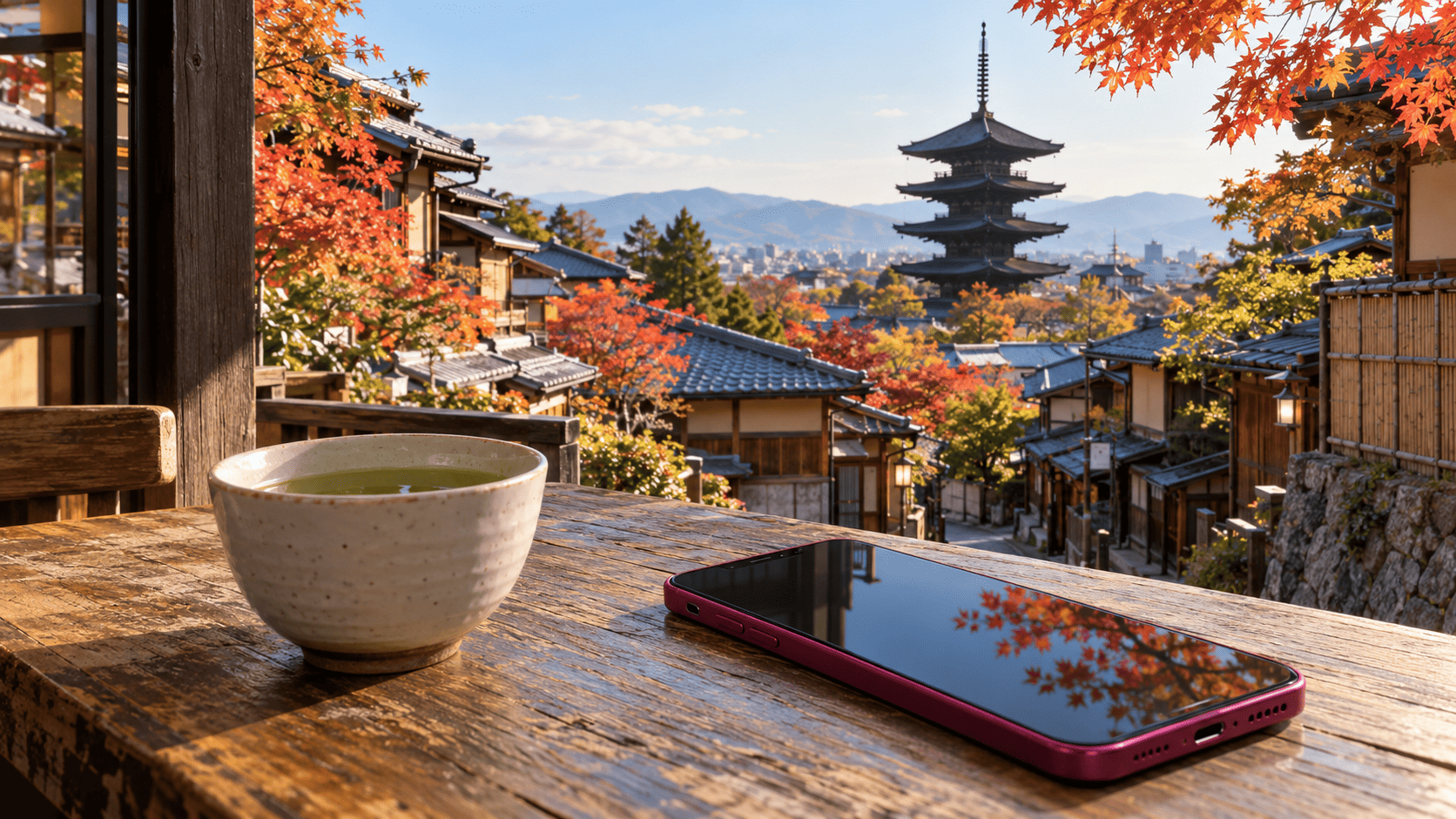
- Autumn colours: often November into early December in Tokyo and Kyoto; earlier in northern and higher areas.
- Skiing and snowboarding: January and February are peak months at many resorts.
- Budget city trip: compare January and February after New Year, with ski resorts treated separately.
What is the best month to visit Japan for a first trip?
Choose November if you want a straightforward starting point for a city sightseeing trip. The JNTO November guide describes cool weather and autumn colours, with Kyoto particularly busy toward the end of the month. Bring layers and reserve accommodation around your preferred gardens or temple visits.
Choose May after Golden Week if you prefer a warmer trip. The JNTO May guide covers the transition into greener spring landscapes. This window works well for a route built around city walks and day trips, although you should compare exact dates rather than assume the entire month has the same demand.
These suggestions suit a typical first city trip. If seeing sakura, skiing or spending most days by the sea is the main reason for your visit, choose your dates using the activity and regional guidance below.
Japan weather by month: when to go at a glance
Use this table to narrow your dates, then check the weather for each stop. Temperatures are Tokyo’s average daily high and low in °C. These historical averages help with planning; conditions in Hokkaido, Okinawa and mountain areas can be very different.
Temperature source: Japan Meteorological Agency, 1991–2020 climate normals. Seasonal trip suggestions combine official tourism guidance with our planning recommendations. A monthly average cannot show the full range of daily conditions.
Spring, summer, autumn or winter: which season fits your trip?
Spring: March to May
Spring in Japan suits gardens, city walks and blossom viewing. Pack layers: a warm afternoon can become a cold evening, especially when your route includes higher ground. If you have pollen allergies, prepare before travelling.
Treat cherry blossoms as a local, short-lived seasonal event. A route with several garden visits is more flexible than a trip built around one tree-lined street on one fixed day. Late April and early May also need a separate holiday check because of Golden Week.
Summer: June to August
Summer brings festivals and fireworks, alongside heat and humidity across much of the mainland. Plan demanding walks early, leave time for indoor stops, and avoid filling every afternoon with exposed outdoor sightseeing.
If climbing Mount Fuji is your priority, work from the official trail-opening information. The usual climbing season falls between July and early September, with dates and access conditions depending on the trail and year. A spring visit to see the mountain from a viewpoint follows a different timetable.
Autumn: September to November
Autumn gradually brings cooler sightseeing conditions and changing leaves. Northern and higher areas turn earlier; city gardens farther south can peak much later. A September booking does not automatically deliver the same conditions as a November trip.
Avoid assuming that autumn means dry weather. Tokyo’s historical rainfall is higher in October than in November. Keep outdoor day trips movable and check the local forecast before committing to a mountain or lakeside excursion.
Winter: December to February
Winter works for snow sports, hot springs and city trips built around food, museums and shorter outdoor walks. Snow conditions vary sharply by location, so choose a recognised snow destination if skiing is the main purpose.
Build a New Year itinerary around confirmed opening hours. Some attractions and restaurants close, while holiday travel changes demand for trains and accommodation. Check each day’s plans before making reservations.
When should you visit Japan for cherry blossoms or autumn leaves?
Cherry blossoms: choose the place before the date
For Tokyo, Kyoto and Osaka, late March to early April is a common planning window, with substantial variation by year, variety and location. Northern destinations bloom later. Follow the JNTO cherry blossom forecast for the relevant year as your departure approaches.
Check whether a published date means first bloom or full bloom. They describe different stages, and weather can shorten the viewing window. Leave room to move a garden visit between days and keep another activity ready if the timing changes.
Autumn leaves: follow the colour south
The JNTO autumn leaves guide describes a season moving from northern Japan in September toward central and southern areas later in autumn. For city gardens in Tokyo and Kyoto, November into early December is often a useful starting window; the exact peak changes each year.
Choose a few viewing locations at different elevations if the leaves are a priority. That gives the itinerary more flexibility than relying on every stop reaching peak colour during the same week.
The best time to visit Japan by region
A Tokyo forecast will not tell you what to pack for Sapporo or whether Okinawa suits a beach holiday. Match the calendar to the places where you will spend most of your time.
JNTO’s Hokkaido guide highlights the island’s milder summers and winter sports. Visit Okinawa’s climate guide explains its subtropical seasons. In mountain areas, confirm the operating dates of your chosen trail, lift or attraction before booking around it.
For Okinawa, the official weather FAQ says typhoons are most common in August and September but can occur from June through October. Keep flight and ferry plans flexible when a storm is forecast.
When is the cheapest time to visit Japan?
For a budget city trip, January and February after New Year are the first dates we would compare. June can also be worth checking if you accept a more flexible itinerary during the rainy season. These are starting points for a price comparison; the cheapest dates depend on your departure airport, hotels and route.
JNTO’s planning tips identify June and weekdays in January and February as quieter travel periods. Ski resorts have a different winter calendar, and popular blossom or autumn-viewing dates can remain busy.
The JNTO planning FAQ identifies Golden Week, the New Year period and summer holidays around Obon as busy travel times. These are dates to examine carefully when keeping accommodation and transport costs under control.
This is a planning comparison, not a hotel-price dataset or a promise of savings. Compare live quotes for your full itinerary and the same booking conditions.
- Flights: compare the complete return fare, baggage and airport transfers for several departure dates. Use the route you will actually fly.
- Accommodation: compare the same room type, neighbourhood and cancellation terms. Check each stop in a multi-city trip separately.
- Transport: price the journeys in your itinerary before buying a rail pass. A pass becomes useful only if it suits your route and travel days.
- Daily spending: choose a realistic mix of meals and activities. JNTO gives roughly ¥500–¥1,000 as an example for a convenience-store or casual meal, while higher-end dining costs more.
Run the comparison for the full trip. A lower flight price can be outweighed by a run of expensive hotel nights, and a cheaper month can be a poor saving if it misses the activity you are travelling to see.
Which Japanese holidays should you check before booking?
Golden Week: late April to early May
Golden Week combines several national holidays with surrounding travel days. The Cabinet Office holiday calendar lists 29 April and 3–5 May in both 2026 and 2027. Weekends and substitute holidays change the wider holiday pattern, so check your actual travel year.
If sightseeing value and easier reservations matter more than joining the holiday atmosphere, compare dates after the break. During the holiday, reserve intercity travel and accommodation around your fixed plans early.
Obon: usually around mid-August
Obon is a major family-travel period, although observance varies by region. Check your route’s dates and seat availability before building a tight sequence of train journeys. Local festivals may be a reason to visit, but they also change the booking picture.
New Year: late December to early January
Expect holiday travel and changes to business hours. Confirm restaurant and attraction openings for each day instead of filling the itinerary from a normal weekly schedule. Allow extra flexibility if you arrive or change cities during the holiday period.
When is the worst time to visit Japan?
For long sightseeing walks in Tokyo, Kyoto and Osaka, July and August can be the hardest months if you dislike heat and humidity. If avoiding crowds is the priority, examine Golden Week, Obon and New Year dates carefully. These periods can still suit a trip planned around festivals, family visits or a specific seasonal activity.
When is Japan’s rainy season?
Across many mainland destinations, the rainy season generally arrives around June and continues into July, with regional differences. JNTO’s June guide explains that it does not rain every day and that Hokkaido is relatively less affected. Okinawa’s rainy period usually starts earlier, in May.
When can typhoons affect a Japan trip?
The JNTO weather guide also flags summer humidity and possible typhoon disruption in August and September. For a first city trip involving long outdoor walks, July and August require more planning around the heat. September can still be hot and unsettled.
If those are the only dates you have, adapt the trip: choose fewer outdoor stops per day, keep indoor alternatives and leave space to move a day trip. For mountains, islands and marine activities, use current local conditions and operator updates to make the final decision.
How to choose dates for a 7-day or 14-day Japan trip
- 7 days: choose a compact route. For example, focus on Tokyo with a day trip, or build a Kyoto–Osaka stay. Picking one main region reduces the number of weather and transport decisions.
- 14 days: a Tokyo–Kyoto–Osaka route allows more room for gardens, neighbourhoods and day trips. May after Golden Week or November are our starting suggestions for this style of visit.
- A trip built around one seasonal event: place that experience first, then choose the rest of the route. Keep a flexible day where the weather or viewing conditions matter most.
Before paying, check the dates of local festivals, opening days and any attractions that need reservations. A month can suit the overall trip while one specific stop needs a different day.
Arrange mobile data before you travel to Japan
Train searches, translation apps and hotel messages are useful throughout the trip. Download important booking details and some offline resources before departure, then choose mobile data for the parts of the journey where you need live information.
VIA eSIM Japan plans are available as prepaid data packages. At the time of checking, Standard options included 1 GB for 7 days at €2.99 and 10 GB for 30 days at €15.99. These are total package prices in euros, without a discount code; check the live page before purchasing.
Choose the data allowance and validity together. Maps and messages need a different budget from video uploads or frequent hotspot use. Our travel data guide helps you estimate your own needs for the trip.
Confirm that your exact phone supports eSIM and can use another provider. Install the profile with a reliable internet connection and follow your package’s activation instructions; our iPhone and Android activation guide explains the setup. These are data-only plans, so traditional calls and SMS on your regular line follow that line’s terms.
Frequently asked questions
What is the best time to visit Japan for the first time?
For a first Tokyo–Kyoto–Osaka trip, our picks are May after Golden Week or November. Choose late March to early April if cherry blossoms are the priority, allowing for changing bloom dates and busy viewing spots.
Is April or November better for Japan?
Choose April for a blossom-focused trip and November for autumn gardens and cooler city sightseeing. Both can be busy at popular seasonal spots. Your preferred activity and the actual accommodation prices should decide between them.
What is the cheapest month to visit Japan?
For a budget city trip, start by comparing January and February after New Year. June is another window to check if rainy-season flexibility suits you. Actual prices depend on flights, hotels and your route; ski destinations and major events have different demand.
When is Japan’s rainy season?
In many mainland areas, it falls around June and part of July. Timing changes by region and year. Okinawa generally starts earlier, while Hokkaido is relatively less affected; check the forecast for your actual stops.
Is summer a bad time to visit Japan?
Summer suits festivals and some outdoor activities, but hot and humid cities require a slower sightseeing schedule. Consider Hokkaido for a cooler summer route, and check storm forecasts if your plans include islands or coastal transport.
When is cherry blossom season in Japan?
For Tokyo, Kyoto and Osaka, late March to early April is a common planning window. Northern destinations and higher areas bloom later. First bloom and full bloom differ, and the dates change each year, so follow forecasts for your actual stops.
When is the worst time to visit Japan?
For city sightseeing, July and August can be difficult if you dislike heat and humidity. Golden Week, Obon and New Year need extra planning for crowds and bookings. The least suitable dates depend on your route and the experience you want.
Get ready for your Japan trip
Choose the season that fits your route, then arrange mobile data for maps, translation and travel updates. Compare the data allowance and validity of VIA eSIM Japan packages before departure.
Explore Japan eSIM plans