

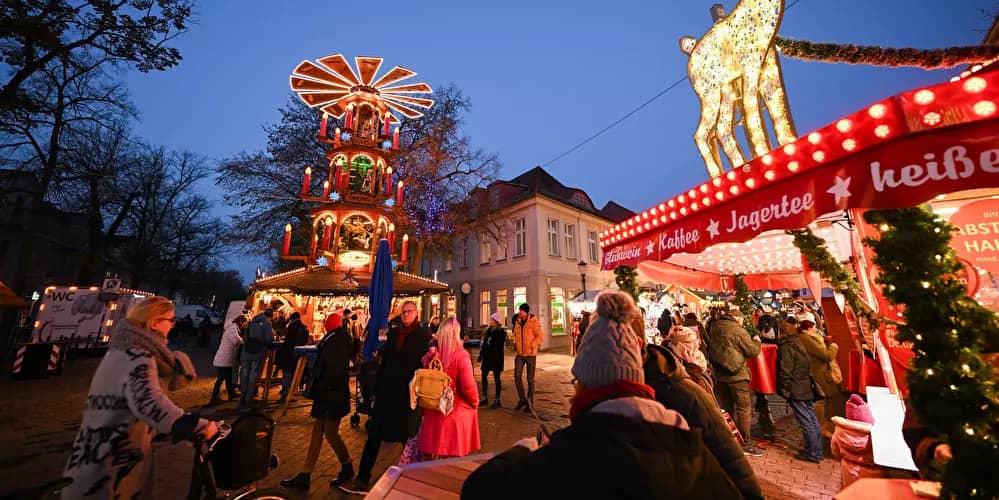
15 Best Christmas Markets in Europe for 2026
Europe’s Christmas markets transform historic squares, palace courtyards and old town streets into festive destinations filled with lights, local food, handmade gifts and seasonal traditions. However, choosing the right market depends on more than appearance. Opening dates, atmosphere, crowds, prices, location and transport connections can all shape the experience.
This guide compares 15 of the best Christmas markets in Europe for 2026. It explains what makes each destination distinctive, who it suits best and what travelers should know before planning a winter trip. It also includes practical advice for combining several European Christmas markets in one itinerary.
Best Christmas Markets in Europe for 2026: Quick Answer
The best Christmas markets in Europe for 2026 include Vienna, Strasbourg, Prague, Cologne and Budapest. Vienna is the strongest all-round choice, Strasbourg is known for its traditional atmosphere, Prague combines festive markets with an impressive historic setting, Cologne offers several different markets within one city, and Budapest provides a lively experience with good value for many travelers.
For a quicker comparison:
- Best overall: Vienna, Austria
- Best for traditional atmosphere: Strasbourg, France
- Best for a first Christmas market trip: Prague, Czech Republic
- Best for variety: Cologne, Germany
- Best for a budget-conscious city break: Budapest, Hungary
- Best for families: Copenhagen, Denmark
- Best for a wintry medieval setting: Tallinn, Estonia
The right choice ultimately depends on your budget, preferred atmosphere and travel route. Vienna and Prague are excellent starting points for first-time visitors, while Vienna, Prague and Budapest can also be combined into a longer Central European trip. The full list below covers confirmed or officially announced 2026 dates where available, principal market locations, major highlights and practical planning considerations.
How We Selected the Best European Christmas Markets
The markets in this guide were selected using a combination of festive atmosphere, cultural tradition, visitor experience, accessibility, local food and crafts, value for money and the range of activities available. We also considered whether each destination offers something distinctive rather than selecting markets based only on size or popularity.
The final list includes famous markets suitable for first-time visitors, historic destinations known for long-established traditions and smaller cities that offer a more compact or affordable winter break. Geographic variety was also considered so that the guide represents different parts of Europe rather than concentrating entirely on Germany and Austria.
Where 2026 schedules have been officially announced, dates are checked against the market organizer or the destination’s official tourism website. Dates that have not yet been confirmed should not be treated as final, since opening periods and individual events may change before the season begins.
The order reflects overall usefulness for travelers, not an official ranking. The best choice will depend on whether you prioritize tradition, food, family activities, value, nightlife or the possibility of combining several destinations in one trip.
15 Best Christmas Markets in Europe for 2026
1. Vienna Christmas Markets, Austria
Best for: First-time visitors, families and travelers who want several different markets in one city
Main location: Rathausplatz
Confirmed 2026 dates: November 13 to December 26, 2026
Vienna is the strongest overall choice because it offers more than one major Christmas market. Visitors can combine the large Viennese Christmas Market at Rathausplatz with palace settings, traditional craft markets and smaller neighborhood events without leaving the city.
Rathausplatz is the main attraction, with festive stalls, food, seasonal drinks, children’s activities and the Vienna Ice World. The market is scheduled to run from November 13 to December 26, while the ice-skating area continues until January 6, 2027.
The Christmas Market at Schönbrunn Palace offers a different experience, with an imperial backdrop, traditional crafts, handmade decorations and family activities. It opens earlier, on November 6, and continues until January 6, making it one of the best options for travelers visiting after Christmas.
For a more traditional atmosphere, consider the Old Viennese Christmas Market at Freyung. Karlsplatz is better suited to visitors interested in arts, crafts and organically certified food, while the narrow streets of Spittelberg provide a smaller neighborhood setting with local and sustainable products.
For travelers using Vienna as part of a wider Central European itinerary, an Austria eSIM from VIA eSIM can provide mobile data for maps, public transport apps, digital train tickets and market schedule updates without depending on public Wi-Fi.
The Vienna Tourist Board’s official Christmas market schedule lists the confirmed dates, opening hours and locations for the city’s individual markets. Two or three days are recommended if you want to visit several areas without rushing.
2. Strasbourg Christmas Market, France
Best for: Historic atmosphere, couples and traditional Christmas scenery
Main locations: Place Broglie, Cathedral Square and Place Kléber
Confirmed 2026 dates: Not yet officially announced
Strasbourg offers one of Europe’s most historically significant Christmas market experiences. Its Christkindelsmärik tradition dates back to 1570, while the city’s half-timbered buildings, illuminated streets and narrow old town lanes create a setting closely associated with an Alsatian Christmas.
The historic Christkindelsmärik takes place at Place Broglie, but the celebration extends across several parts of the city. Visitors can explore stalls around Strasbourg Cathedral, see the Grand Sapin Christmas tree at Place Kléber and walk through the decorated streets of Petite France. The individual areas offer local crafts, seasonal food, mulled wine, Bredle biscuits and gingerbread.
Strasbourg is particularly suitable for travelers who value tradition and atmosphere over fairground-style attractions. The markets are spread across the walkable historic center, so most major locations can be visited without relying heavily on public transport. Two days provide enough time to explore the principal markets and see the city after the Christmas lights are switched on.
If Strasbourg is the main destination on your trip, a France eSIM from VIA eSIM can help with walking directions, regional train information and last-minute event updates without requiring a physical SIM card.
As of September 2026, Strasbourg’s organizers state that the official dates and program for the next edition are still being finalized. Travelers should therefore avoid treating unofficial dates as confirmed. The official Strasbourg Christmas website should be checked before booking transport or accommodation.
3. Prague Christmas Markets, Czech Republic
Best for: First-time visitors, historic scenery and compact city breaks
Main locations: Old Town Square and Wenceslas Square
Confirmed 2026 dates: November 28, 2026 to January 6, 2027
Prague combines major Christmas markets with one of Europe’s most recognizable historic centers. The principal market occupies Old Town Square, surrounded by the Church of Our Lady before Týn, the Old Town Hall and Prague’s Astronomical Clock. A large decorated Christmas tree, seasonal performances and rows of food and craft stalls create the main festive setting.
The market at Wenceslas Square is within walking distance and can easily be visited on the same day. Smaller markets in other neighborhoods provide alternatives for travelers who want to move beyond the busiest central areas, although their opening dates and hours may differ from the two main markets.
The main Prague Christmas market dates for 2026 extend beyond Christmas and New Year, making the city suitable for travelers planning an early-January trip. Visitors can expect Czech sausages, roasted nuts, gingerbread, mulled wine and popular sweet pastries alongside decorations, toys and other seasonal products.
Prague is relatively easy to explore on foot, but Old Town Square becomes crowded during December evenings and weekends. Visiting earlier in the day and returning briefly after dark provides a better balance between seeing the stalls and experiencing the lights. Two days are sufficient for the main markets, while three days allow time for Prague Castle and neighborhoods outside the Old Town.
Check the official Prague City Tourism website before traveling for updates to opening hours, events or access arrangements.
4. Cologne Christmas Markets, Germany
Best for: Market variety, groups and visitors who want to explore several themes
Main locations: Cologne Cathedral, Alter Markt, Heumarkt and Neumarkt
Confirmed 2026 dates: Heinzels Winter Fairytale runs from November 23, 2026 to January 10, 2027 at Heumarkt
Cologne stands out because its Christmas experience is divided across several themed markets rather than concentrated in one square. Most of the major locations are within or close to the city center, allowing visitors to move between traditional stalls, craft areas, food markets and winter attractions during the same trip.
The Christmas market beside Cologne Cathedral provides the city’s most recognizable setting. Heinzels Winter Fairytale spreads across Alter Markt and Heumarkt, with more than 100 stalls, themed lanes, craft demonstrations and a large open-air ice rink. The Alter Markt section is scheduled from November 23 to December 23, while Heumarkt remains open until January 10, 2027, except for closures on December 24 and 25.
Other well-known options include the Market of Angels at Neumarkt and the Harbour Christmas Market near the Chocolate Museum. Each has its own program and operating dates, so Cologne is a particularly good choice for travelers who prefer variety over visiting one large market repeatedly.
Many central markets can be reached on foot, although public transport is useful for locations farther from the cathedral. Two days are recommended for exploring the main areas without rushing. Travelers visiting after Christmas should check which markets remain open, since several traditional sections close on December 23.
The official Cologne Tourist Board provides event information, while the Heinzels Winter Fairytale schedule confirms its 2026 opening dates and holiday closures.
5. Budapest Christmas Markets, Hungary
Best for: Seasonal food, light displays and travelers seeking better overall value
Main locations: St. Stephen’s Basilica and Vörösmarty Square
Reported 2026 dates: November 14, 2026 to January 1, 2027, pending final confirmation from the organizers
Budapest’s two principal Christmas markets are located within walking distance of each other but offer slightly different experiences. The Advent Basilica market takes place in front of St. Stephen’s Basilica, while the Vörösmarty Square market occupies one of the city center’s best-known public spaces.
Advent Basilica is particularly popular for its illuminated setting, light projections on the basilica, artisan stalls, central Christmas tree and small ice-skating area. Vörösmarty Square places greater emphasis on Hungarian food, crafts and live entertainment. Visitors can try lángos, chimney cake, sausages, goulash and mulled wine while browsing products from local makers.
Budapest can offer lower accommodation, restaurant and transport costs than destinations such as Vienna or Strasbourg, although food and drinks inside the main markets may still be priced for visitors. Staying slightly outside the immediate market area can provide better value while retaining easy metro access to the city center.
The two main markets can be visited in one day, but a two- or three-day trip allows time for the Danube riverfront, Buda Castle and one of the city’s thermal baths. Budapest can also be combined with Vienna by direct train, making it a practical addition to a longer Central European Christmas market itinerary.
Current 2026 travel listings give November 14 to January 1 as the Advent Basilica period, but the official Advent Basilica website was still displaying the previous season’s schedule at the time of verification. Travelers should confirm the final 2026 dates before making non-refundable bookings.
6. Nuremberg Christkindlesmarkt, Germany
Best for: Traditional German Christmas market culture
Main location: Hauptmarkt
Confirmed 2026 dates: November 27 to December 24, 2026
The Nuremberg Christkindlesmarkt is one of the oldest and most famous Christmas markets in Germany. Its main square is transformed into what organizers describe as a small city of wood and cloth, with around 180 red-and-white stalls surrounded by the historic buildings of Nuremberg’s Old Town.
This is one of the best European Christmas markets for traditional food and handmade decorations. Look for Nürnberger Lebkuchen, grilled Nuremberg sausages, almond cookies, wooden ornaments and the small prune figures known as Zwetschgenmännle. Nearby, the Market of the Sister Cities adds food and gifts from Nuremberg’s international partner cities.
Families can also visit the Children’s Christmas Market at Hans-Sachs-Platz, which usually includes a carousel, a small Ferris wheel and activities designed for younger visitors.
One full day is enough to experience the main market, although two days allow time to explore Nuremberg Castle and the medieval Old Town. Weekday afternoons are generally more comfortable than Friday and Saturday evenings, when the central square becomes particularly busy.
Travelers visiting Nuremberg and other German Christmas market cities can use a Germany eSIM from VIA eSIM for navigation, digital train tickets and changing opening-hour information throughout the trip.
The official Nuremberg Christkindlesmarkt website confirms that the 2026 market will open on November 27 and continue until Christmas Eve.
7. Dresden Striezelmarkt, Germany
Best for: Historic traditions, Saxon crafts and Christmas food
Main location: Altmarkt
Confirmed 2026 dates: November 25 to December 24, 2026
First held in 1434, Dresden’s Striezelmarkt is widely recognized as Germany’s oldest Christmas market. The 2026 event will be its 592nd edition, making it one of the strongest choices for travellers interested in the history and traditions behind European Christmas markets.
The market takes place on Altmarkt, where stalls sell wooden decorations, candle arches, nutcrackers and other products associated with the Ore Mountains, or Erzgebirge, region. Dresden Christstollen is the essential local speciality. The market’s name comes from “Striezel”, an older name for this traditional fruit bread.
A large Christmas pyramid, decorated stalls and daily seasonal entertainment create the main festive atmosphere. Dresden also hosts several smaller Advent markets around the city, including areas near Frauenkirche and along Prager Straße, so the destination offers more than a single square.
Plan at least one full day for the Striezelmarkt, or two days if you want to combine it with Dresden’s museums, baroque architecture and other seasonal markets. For fewer crowds, visit during the week and arrive before the evening peak.
The official Dresden Striezelmarkt website confirms that the 2026 market will run from November 25 to December 24.
8. Salzburg Christkindlmarkt, Austria
Best for: Christmas music, Austrian traditions and a baroque setting
Main locations: Domplatz and Residenzplatz
Confirmed 2026 dates: November 19, 2026 to January 1, 2027
Salzburg’s main Christkindlmarkt is set between the cathedral and historic buildings of Domplatz and Residenzplatz. The location, within Salzburg’s UNESCO-listed historic centre, gives the market one of the most elegant settings in Europe.
Around 100 market stands offer Austrian food, hot punch, Christmas decorations, incense, gifts and traditional crafts. Music is a central part of the experience, with choral performances, brass music from the surrounding towers and other scheduled events throughout the Advent season. The programme also includes local traditions such as appearances by the Christ Child and Krampus or Perchten processions on selected dates.
The market is an excellent choice for visitors who want to combine Christmas festivities with classical music, historic churches and views of Hohensalzburg Fortress. Other seasonal attractions can be found around Mirabell Square and at Hellbrunn Palace, although they operate on their own schedules.
Allow two days to explore Salzburg without rushing. The main market remains open after Christmas and becomes part of the city’s New Year celebrations, but individual stalls may follow special holiday hours.
According to the official Salzburg tourism page, the 2026 Christkindlmarkt will run from November 19 until January 1, 2027.
9. Tallinn Christmas Market, Estonia
Best for: A compact medieval setting and a possible snowy atmosphere
Main location: Town Hall Square
Confirmed 2026 dates: November 20, 2026 to January 6, 2027
Tallinn Christmas Market takes place in Town Hall Square, surrounded by the medieval buildings and narrow streets of the city’s Old Town. Because the market is compact and centrally located, it is easy to explore on foot and combine with Tallinn’s main historical attractions.
A decorated Christmas tree stands at the centre of the square. According to Estonia’s official tourism information, the tradition of displaying a Christmas tree here dates back to 1441. Wooden stalls sell Estonian handicrafts, wool products, decorations, sweets and seasonal food. Visitors can also try glögi, the local version of mulled wine, together with hearty dishes suited to Tallinn’s cold December weather.
Live music, dance performances and family activities are normally scheduled during the market season. Snow can make the setting especially atmospheric, but winter travellers should not plan their trip around guaranteed snowfall.
Two days are usually enough for the market and the central Old Town, while a third day provides time for museums and neighbourhoods outside the medieval centre. Warm footwear is essential because the square and surrounding streets are cobbled and temperatures can fall below freezing.
The official Tallinn Christmas Market website confirms the 2026 dates from November 20 to January 6, 2027.
10. Christmas in Tivoli, Copenhagen, Denmark
Best for: Families, Christmas lights and Danish hygge
Main location: Tivoli Gardens
Confirmed 2026 dates: November 13, 2026 to January 3, 2027
Christmas in Tivoli combines a seasonal market with lights, decorated gardens, restaurants, rides and family entertainment. It is different from a traditional market held in a public square, but it offers one of Copenhagen’s most complete Christmas experiences.
Thousands of lights, decorated trees and snow-covered-style stalls transform the historic amusement park into a Nordic Christmas setting. Visitors can shop for gifts, try Danish seasonal food and enjoy rides or scheduled entertainment. Tivoli is particularly suitable for families, although entrance and rides require tickets.
Copenhagen also has smaller public markets at locations such as Højbro Plads, Nytorv and Gammeltorv. These markets are generally free to enter and provide a more traditional shopping experience, but their opening dates and hours differ from Tivoli’s schedule.
Allow an afternoon and evening for Tivoli because the lighting becomes more impressive after dark. A two or three-day stay in Copenhagen leaves enough time to visit the additional markets, Nyhavn and the city’s central attractions.
The official Tivoli Christmas page provides current visitor information, while the Copenhagen Visitor Service calendar lists the city’s different Christmas events and their 2026 schedules.
11. Brussels Winter Wonders, Belgium
Best for: Food, entertainment and a large city-centre festival
Main locations: Grand-Place, Sainte-Catherine, Bourse, De Brouckère and Vismet
Confirmed 2026 dates: November 27, 2026 to January 3, 2027
Winter Wonders is more than a single Christmas market. It is a large festive route through central Brussels, connecting decorated squares, attractions, food stalls and illuminated landmarks.
The official event includes 238 chalets offering food, drinks, crafts and seasonal gifts. Belgian waffles, chocolate, fries and other local specialities make Brussels one of the strongest choices for visitors who consider food an important part of a Christmas market trip.
Grand-Place provides the event’s most recognizable backdrop, with its large Christmas tree and illuminated historic buildings. The market itself extends through several parts of the city centre, particularly around Sainte-Catherine, the Bourse, De Brouckère and the Vismet area. Attractions and performances vary each year, so travellers should check the final programme before visiting.
Plan at least one full day for Winter Wonders, although two days are better if you also want to explore Brussels’ museums, galleries and neighbourhoods. The central areas become very crowded during weekend evenings, especially near Grand-Place.
The official Winter Wonders website confirms that the 2026 event will run from November 27 until January 3, 2027.
12. Colmar Christmas Markets, France
Best for: A romantic setting, half-timbered streets and Alsatian food
Main locations: Six markets across Colmar’s historic centre
Confirmed 2026 dates: November 23 to December 29, 2026
Colmar’s Christmas experience is divided between six markets located throughout its historic centre. Rather than concentrating everything in one square, the route passes decorated half-timbered houses, canals, small streets and illuminated public spaces.
Each market has a slightly different character. Visitors can find handmade decorations, regional products, artisan gifts, family activities and an indoor crafts market. Alsatian specialities such as bredele biscuits, gingerbread, local cheeses and vin chaud are an important part of the experience.
Colmar is smaller than Strasbourg, making the markets relatively easy to explore on foot. However, its narrow streets can become extremely crowded during December weekends. Visiting from Monday to Thursday, particularly during the morning or early afternoon, usually provides a more comfortable experience.
One full day covers the central markets, but staying for two days allows time to enjoy the city after day visitors leave. Colmar can also be combined with Strasbourg or nearby Alsatian towns, but the individual markets have different opening dates.
The official Christmas in Colmar website confirms that Colmar’s six Christmas markets will operate from November 23 to December 29, 2026.
13. Kraków Christmas Market, Poland
Best for: Traditional Polish food, cultural character and better-value city breaks
Main location: Rynek Główny, Main Market Square
Official 2026 dates: Not yet announced
Kraków’s Christmas Market is normally held in Rynek Główny, the city’s vast medieval main square. The Cloth Hall, St. Mary’s Basilica and surrounding historic buildings create a distinctive setting that feels closely connected to the city rather than built only for tourists.
Food is one of the main reasons to visit. Typical market options include pierogi, grilled kielbasa, soups, roasted meats, oscypek cheese and grzaniec, the Polish version of mulled wine. Stalls also sell wooden decorations, ceramics, textiles, toys and elaborate Kraków-style nativity scenes.
The market can be explored in several hours, but Kraków deserves at least two or three days. The Old Town, Wawel Castle and Kazimierz district are all within a relatively compact area. Prices for food and accommodation can be lower than in major Christmas market destinations in Western Europe, although central hotels become more expensive in December.
As of September 2026, the final dates for the main 2026 Christmas market have not been published by the relevant local tourism channels. It is expected to operate from late November through late December, based on its usual schedule, but travellers should verify the dates through the official Kraków Travel website before booking specifically for the market.
14. Edinburgh’s Christmas, Scotland
Best for: City views, family attractions and a lively festive break
Main location: East Princes Street Gardens and central Edinburgh
Confirmed 2026 dates: November 14, 2026 to January 3, 2027
Edinburgh’s Christmas combines a traditional market with rides, entertainment and seasonal attractions across the historic city centre. Its position below Edinburgh Castle and beside the Old Town provides dramatic views that distinguish it from many continental European markets.
The Traditional Christmas Market returns to East Princes Street Gardens, where stalls offer gifts, crafts, food and hot drinks. Larger attractions include the Big Wheel and Starflyer, while additional family events take place on selected dates. Market access and individual attraction tickets should be checked separately, as rides and special events are charged independently.
Edinburgh is a strong choice for travellers who want nightlife, restaurants and sightseeing alongside the Christmas market. The Royal Mile, Edinburgh Castle, museums and viewpoints can all be added to a two or three-day itinerary.
The weather can be cold, wet and windy, so waterproof outerwear is more useful than planning for snow. Friday evenings and Saturdays are normally the busiest periods, especially closer to Christmas.
The official Edinburgh’s Christmas website confirms that the 2026 season will run from November 14 until January 3, 2027.
15. Advent Zagreb, Croatia
Best for: A city-wide celebration, food and live entertainment
Main locations: Multiple squares, parks and streets across central Zagreb
Confirmed 2026 dates: November 28, 2026 to January 7, 2027
Advent Zagreb is not limited to one central market. Festive areas are spread across the Croatian capital, allowing visitors to move between decorated squares, parks, food stalls and entertainment venues.
The programme changes from year to year, but central Zagreb is traditionally filled with concerts, lights, seasonal installations and food-focused locations. Croatian dishes and desserts are an important part of the event. Visitors may find sarma, sausages, fritule pastries, paprenjaci cookies, poppy-seed rolls and other regional specialities.
Because the event is distributed across the city, it feels more like a winter festival than a conventional market. This format is especially suitable for travellers who enjoy live music, evening activity and trying food at different locations. The final list of venues and scheduled performances should be checked once the complete 2026 programme is released.
Two full days are recommended for exploring the central Advent areas and Zagreb’s Upper and Lower Towns. Three days provide a more relaxed visit and additional time for museums or day trips.
The official Advent Zagreb website confirms that the 2026 celebration will begin on November 28 and continue until January 7, 2027.
Best European Christmas Markets by Travel Style
The best Christmas market for your trip depends on whether you prefer traditional crafts, family attractions, local food, romantic streets or a more affordable winter break. Vienna is the strongest all-round choice for first-time visitors, Copenhagen is ideal for families, Colmar and Strasbourg suit romantic trips, while Kraków and Zagreb offer better value.
Best for First-Time Visitors: Vienna
Vienna is the best starting point for travellers visiting a European Christmas market for the first time. The city has several markets with different styles, reliable public transport and a wide selection of museums, cafés and indoor attractions for cold or rainy days.
The Rathausplatz market provides the large, classic Christmas experience, while markets at Schönbrunn Palace, Belvedere Palace and Spittelberg offer alternative settings. Vienna is particularly suitable for a three-day winter city break.
Best for Traditional Christmas Market Culture: Nuremberg and Dresden
Nuremberg is the strongest choice for travellers looking for the classic German Christmas market experience. Its Christkindlesmarkt focuses on traditional decorations, gingerbread, sausages and long-established customs.
Dresden is the better option for visitors especially interested in history and regional craftsmanship. The Striezelmarkt dates back to 1434 and is closely associated with Saxon products, Dresden Christstollen and wooden crafts from the Ore Mountains.
Best for a Romantic Christmas Break: Colmar and Strasbourg
Colmar is ideal for couples who prefer small streets, canals, half-timbered buildings and markets that can be explored on foot. Its compact historic centre becomes especially atmospheric after day visitors leave.
Strasbourg offers a larger version of the Alsatian Christmas experience. It combines romantic architecture with several market locations, extensive decorations and one of Europe’s best-known festive city centres. Travellers with enough time can visit both cities during the same trip.
Best for Families: Copenhagen
Christmas in Tivoli is one of the best options for families because it combines festive stalls with rides, lights, restaurants and children’s entertainment. Visitors can choose between a simple entrance ticket and additional access to rides.
Copenhagen also has free public markets around the city centre, allowing families to combine Tivoli with more traditional Christmas shopping. The main disadvantage is that Copenhagen is generally more expensive than Central and Eastern European destinations.
Best for Food Lovers: Brussels and Budapest
Brussels Winter Wonders is an excellent choice for travellers who want to combine a Christmas market with Belgian chocolate, waffles, fries, beer and other local specialities. The event extends across several central locations, providing many food and drink options.
Budapest combines seasonal food with impressive architecture and a lively evening atmosphere. Its principal markets offer Hungarian dishes, chimney cake, mulled wine and convenient access to the city’s thermal baths and major attractions.
Best for Travellers on a Lower Budget: Kraków and Zagreb
Kraków is one of the best-value destinations on this list. Food, public transport and accommodation can be more affordable than in cities such as Vienna, Copenhagen or Edinburgh, although prices around the main square increase during December.
Zagreb is another strong option for a lower-cost festive break. Its Advent celebration is spread across several parts of the city, with food, music and entertainment continuing into the evening. Both destinations are suitable for travellers who want more than a short visit to one market square.
Best for Christmas Music and Cultural Traditions: Salzburg
Salzburg is the best choice for travellers who want Christmas markets combined with classical music, choirs and Austrian Advent traditions. The central Christkindlmarkt regularly hosts brass performances, choral music and appearances connected to local customs.
Its baroque Old Town, cathedral and fortress create an atmospheric setting, while additional seasonal markets can be found elsewhere in and around the city.
Best for a Medieval Winter Atmosphere: Tallinn
Tallinn offers the most distinctive medieval setting among the markets in this guide. Its Christmas market is located in Town Hall Square, surrounded by historic buildings, cobbled streets and the towers of the Old Town.
The market is smaller than those in Vienna, Cologne or Brussels, making it easier to explore without spending an entire day there. Tallinn is particularly attractive to travellers who prefer a compact destination and are comfortable with colder winter temperatures.
Best for Multiple Markets in One City: Cologne
Cologne is the best option for visitors who want to explore several Christmas markets without travelling between different cities. Its markets have separate themes and locations, including the Cathedral market, Heinzels Wintermärchen and the harbour market.
Most central markets can be reached on foot or by public transport. This makes Cologne suitable for a two or three-day trip in which each day can include a different festive area.
Best for Entertainment and Nightlife: Edinburgh and Zagreb
Edinburgh combines a traditional market with rides, city views, restaurants, pubs and seasonal events. It suits travellers who want an active city break rather than a trip focused only on shopping at market stalls.
Zagreb provides a similar city-wide atmosphere, with music, food and festive areas spread across central parks and squares. Both destinations remain lively after the daytime market crowds begin to leave.
How to Plan a European Christmas Market Trip
A successful Christmas market trip depends on timing, the number of destinations and how easily the cities can be connected. For most travellers, two or three nights in each city provide enough time to visit the main markets without turning the trip into a rushed journey between train stations.
When Do Christmas Markets Start in Europe?
Most European Christmas markets open between mid-November and the final weekend of November. The busiest period is usually from early December until the weekend before Christmas.
Traditional markets in Germany often close on December 23 or 24. Markets in cities such as Brussels, Salzburg, Tallinn, Edinburgh and Zagreb remain open until early January.
Travelling in late November can mean fewer crowds and lower accommodation prices, but some concerts, family activities and seasonal events may not have started yet. Early to mid-December generally offers the widest selection of markets and events.
Always verify the official dates before booking. Opening schedules can change, and different markets within the same city may not follow identical dates.
How Many Days Do You Need?
Two or three days are usually enough for one European Christmas market destination. A single central market can be explored in several hours, but cities such as Vienna, Cologne, Brussels and Zagreb have multiple festive areas spread across different locations.
For a short weekend trip, choose one city and stay for two nights. If you want to combine three destinations, plan approximately seven to ten days. This provides enough time for train journeys, sightseeing and evenings at the markets without changing hotels every day.
Smaller destinations such as Colmar can be combined with a nearby city. Larger capitals such as Vienna, Prague or Budapest deserve at least two full days beyond your arrival and departure times.
Can You Visit Several Christmas Markets by Train?
Yes. Many of Europe’s leading Christmas market destinations are connected by direct or relatively simple train routes. Travelling by rail also allows you to reach central stations without dealing with airport transfers between every destination.
Useful combinations include Strasbourg and Colmar, Vienna and Budapest, Prague and Dresden, Salzburg and Vienna, or Cologne and other German Christmas market cities.
Train travel is most practical when the journey between two destinations takes less than four hours. Longer routes can consume most of a day and may be better completed by an overnight train or a short flight.
Book important intercity journeys in advance, particularly for Friday afternoons, weekends and the days immediately before Christmas. Regional trains often offer more flexibility, while high-speed and international services may become more expensive as the departure date approaches.
What Should You Budget for a Christmas Market Trip?
A budget traveller should plan approximately €90 to €140 per day, excluding flights. This usually covers hostel or simple accommodation, public transport, affordable meals and limited spending at the markets.
A mid-range trip commonly costs between €160 and €260 per person per day. Travellers choosing central hotels, restaurant meals and several paid attractions may spend €300 or more per day.
Destination choice makes a major difference. Copenhagen, Vienna, Edinburgh and Salzburg are generally more expensive, while Kraków, Budapest and Zagreb can provide better value.
For the market itself, allow approximately €30 to €60 per person for food, drinks and small purchases during a full visit. Handmade gifts, rides and ticketed attractions should be budgeted separately. Carry a small amount of local cash because not every independent stall accepts cards.
How to Stay Connected Across Multiple European Countries
A regional Europe eSIM is usually more convenient than purchasing a separate SIM card in every country. One compatible plan can continue working as you travel between destinations, although the exact countries included depend on the package.
Install the eSIM before departure while you have reliable Wi-Fi. After arriving, select it as the mobile data line and enable Data Roaming on the travel eSIM. Keep Data Roaming turned off on your primary SIM if your home plan does not include international usage.
Mobile data is useful for digital train tickets, navigation, translation, restaurant bookings and checking last-minute changes to market schedules. Downloading offline maps and transport apps before travelling provides a backup in areas with weak reception.
Travellers visiting several countries can compare the destinations covered by a regional Europe eSIM from VIA eSIM before choosing a package. If you are unsure about the correct allowance, this guide explains how much mobile data you may need for travel.
Frequently Asked Questions
What Is the Best Christmas Market in Europe?
Vienna is the best overall Christmas market destination for most first-time visitors. It offers several major markets, reliable public transport, historic settings and enough indoor attractions for a complete winter city break.
However, the best choice depends on your travel style. Nuremberg is stronger for German traditions, Colmar for a romantic atmosphere, Copenhagen for families, Salzburg for Christmas music and Kraków for travellers seeking better value.
Which European Country Has the Best Christmas Markets?
Germany has the widest variety of traditional Christmas markets. Cities such as Nuremberg, Dresden and Cologne offer different combinations of history, food, crafts and festive entertainment.
Austria is particularly strong for elegant settings and music, while France’s Alsace region is known for decorated historic towns such as Strasbourg and Colmar. There is no single best country for every traveller, but Germany is the strongest overall choice for a trip focused primarily on Christmas markets.
What Is the Oldest Christmas Market in Europe?
There is no universally accepted answer because Europe’s earliest winter markets were different from modern Christmas markets.
Vienna traces its December market tradition to 1298 and is often cited as having one of the earliest predecessors of today’s Christmas markets. Dresden’s Striezelmarkt dates to 1434 and is widely recognized as Germany’s oldest Christmas market. The official Striezelmarkt website describes the continuing Dresden tradition and its current programme.
Are European Christmas Markets Open After Christmas?
Some European Christmas markets remain open after December 25, but many traditional German markets close on December 23 or 24.
For 2026, Salzburg continues until January 1, Brussels and Edinburgh until January 3, Tallinn until January 6 and Zagreb until January 7, 2027. Nuremberg and Dresden close on Christmas Eve.
Travellers planning a trip between Christmas and New Year should check individual market dates carefully because opening hours may also be reduced on public holidays.
Which European Christmas Markets Are Most Likely to Have Snow?
Tallinn is one of the markets on this list with the strongest possibility of winter snow because of its northern location and colder December temperatures. Kraków, Prague, Salzburg and other destinations in Central or Northern Europe may also experience snow.
Snow is never guaranteed in a European city, even during December. Salzburg’s surrounding mountains may be snowy while the city centre remains wet or clear. Travellers should choose a destination for its complete experience rather than booking solely based on the expectation of snow.
Are European Christmas Markets Free to Enter?
Most European Christmas markets are free to enter. Visitors pay only for food, drinks, gifts, rides or special activities.
Ticketed attractions may operate inside or alongside free markets. Christmas in Tivoli Gardens requires an entrance ticket because it takes place inside an amusement park. Concerts, observation wheels, ice-skating rinks and children’s activities may also have separate charges.
Check the official event website before visiting if a market includes rides or access to a historic property.
Is November or December Better for Visiting Christmas Markets?
Early December is the best period for most travellers because nearly all major markets are open and the complete seasonal programme has usually started.
Late November can be better for lower crowds and potentially more affordable accommodation. It is a good choice for cities whose official markets open by the middle or final week of November.
Mid-December provides the fullest Christmas atmosphere but also brings larger crowds and higher hotel prices. The final weekend before Christmas is normally the busiest period, particularly in Vienna, Strasbourg, Nuremberg, Cologne and Prague.
Do I Need Mobile Data for European Christmas Markets?
Mobile data is not required to enter European Christmas markets, but it is useful for navigation, digital train tickets, public transport apps, translation, restaurant bookings and checking last-minute changes to opening hours.
Public Wi-Fi may be unavailable or unreliable in crowded market squares. Download important tickets and offline maps before traveling so that you also have access to them when mobile coverage is weak.
Can I Use One eSIM Across Multiple European Countries?
Yes. A regional Europe eSIM can provide mobile data in several countries, provided that every destination on your itinerary is included in the plan’s coverage list.
Before choosing a package, check the included countries, data allowance, validity period and hotspot conditions. This guide explains the differences between local, regional and global eSIM plans.
How Far in Advance Should I Book a European Christmas Market Trip?
For travel between late November and December, booking transport and accommodation two to four months in advance is advisable. Popular December weekends in Vienna, Strasbourg, Nuremberg and Prague may require earlier reservations.
Entry to most Christmas markets is free and does not require advance booking. However, hotels, international trains, concerts, guided tours and attractions such as Tivoli Gardens can sell out or become considerably more expensive as the travel date approaches.